Digestion Art Labeling Activity Figure 141 2 of 3
The digestive system is made upward of several organs working together, to make an organ system ( Digestive arrangement ). This activity shows how to make an easy digestion arrangement model using food and tights!
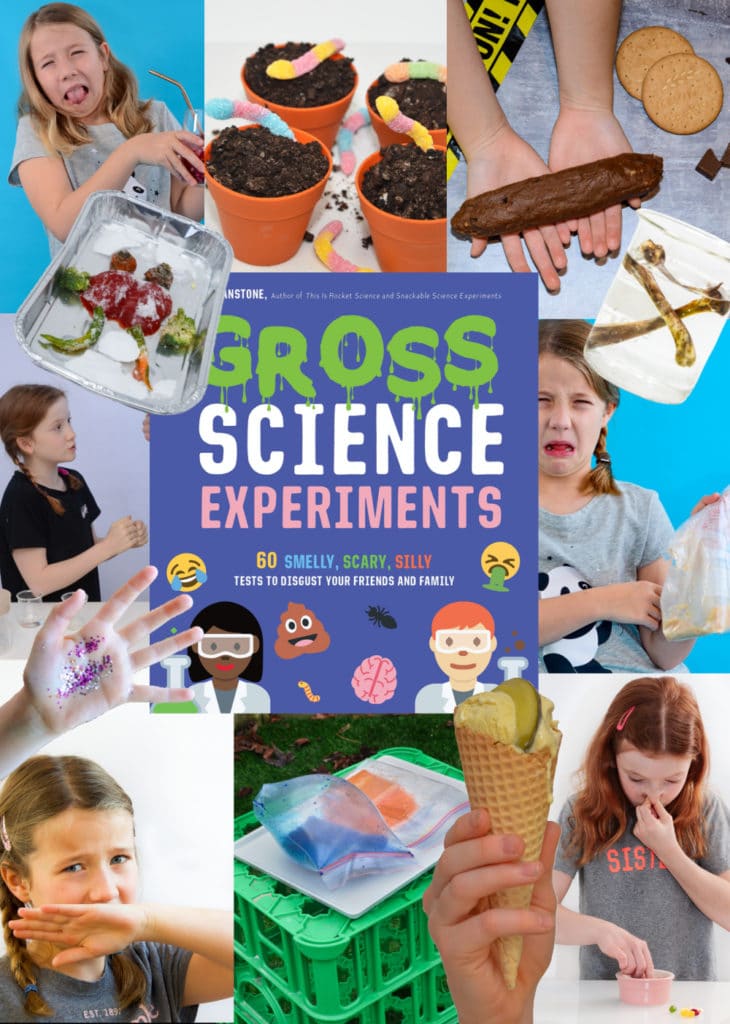
This activity tin can also be plant in my new book Gross Science!
What is Digestion?
Digestion is the process by which big insoluble molecules of food are broken down into smaller soluble molecules which tin can be used by the body.
Digestion starts in the mouth where food is broken into smaller pieces as people chew. Nutrient is mixed with saliva which contains an enzyme chosen amylase. Amylase starts to break down carbohydrates in the food.

Food then passes downwards the oesophagus and into the stomach. The stomach contains breadbasket acid and more enzymes which break upwardly the food farther. Stomach acid is actually muriatic acid which kills nearly harmful bacteria and provides the optimum pH for enzymes to go to work.
As food is slowly released from the breadbasket into the small intestine the liver adds alkaline metal bile to the mixture. This neutralises the tummy acid so as non to harm the pocket-sized intestine and helps to break up fats.
The pancreas makes three digestive enzymes which are besides added into the food mixture. These are:
Protease for digesting proteins.
Carbohydrase for digesting carbohydrates
Lipase for digesting lipids.
The small intestine produces even more enzymes to continue digesting proteins, carbohydrates and fats. Nutrients are absorbed through the walls of the small intestine and transported to cells in the torso by blood.
In the big intestine water is absorbed from food, and undigested food is passed to the rectum as faeces.
The terminal part of the journeying is when the faeces laissez passer out of the anus hopefully into a toilet!
Nutrients from the food we eat are absorbed past the pocket-sized intestine and so the large intestine absorbs water and whatsoever nutrients non absorbed by the pocket-sized intestine.
Undigested food becomes faeces or poo which are excreted from the body via the rectum and anus!

Easy digestive arrangement model with tights
You can make a very simple digestion model using ane leg of a pair of tights as the small intestine.
What you demand to make a digestive organization model
Murphy masher – or something else to crush the food with.
Bowl
Funnel
1 pocket-size banana or piece of bread
one patently biscuit
Yoghurt- optional
Jar or basin
30ml water
30ml orange juice
Green and red food colouring – optional
Medium size ziploc bag – stomach
Scissors
I leg from a pair of tights – small intestine
Tray or plate

Digestion Model Instructions
Place the biscuit and banana into a bowl and gently trounce with a potato masher. This represents the food being chewed. Pour the crushed nutrient into an empty ziploc pocketbook and add the water. The water represents saliva.
Pour the orangish juice into the bag ( this represents stomach acid) Brand sure in that location is no air in the pocketbook and seal it.

Clasp the purse for about a minute burdensome up the biscuits and banana further. This represents the nutrient breaking downwards further inside the stomach.
In one case the breadbasket contents feel like a thick liquid, cut a small pigsty in the one corner and carefully squeeze into the open leg of the tights ( small-scale intestine ).

At this bespeak yous tin can add together a petty red and green food colouring, only this is not necessary. The red food colouring represents dead red claret cells that are existence disposed of and the green represents bile which is released by the liver.
Hold the tights over the tray or a basin and gently squeeze the liquid out. The liquid on the tray represents the nutrients the torso absorbs and uses.
Go along squeezing until no more liquid comes out. If you used nutrient colouring information technology might be a practiced idea to wear gloves for this part.

The nutrient left behind in the tights represents waste matter products that cannot be absorbed.
Cutting a pigsty in the lesser of the tights and squeeze the contents into the jar. This is the poo!

Digestive Organisation Model Challenge
Alter the nutrient yous "digest" and investigate to see of you tin can brand a different color poo!
Did you know the breadbasket walls are made of muscle and mix the food helping pause it down?
The small intestine contains lots of sparse structures called villi. These give a very large surface expanse to absorb nutrient molecules.
Digestion in a Nutshell
Food is initially broken down in the mouth equally y'all chew helped past amylase ( an enzyme found in saliva )
It then passes downwardly the oesophagus into the stomach where it mixes with tummy acid and enzymes.
The liver makes bile to assist intermission up fats and neutralise the acidic mixture heading to the small-scale intestine from the stomach.
The pancreas adds more than enzymes to the mix.
Nutrient is cleaved down farther in the small intestine where pocket-size usable molecules are absorbed through the small intestine walls into the blood.
Water is captivated by the large intestine.
Waste material products are expelled via the anus!
If you enjoyed this activeness nosotros've got lots more human body investigations suitable for kids of all ages you might similar.

Last Updated on January 12, 2022 by
Source: https://www.science-sparks.com/digestive-system-model/
0 Response to "Digestion Art Labeling Activity Figure 141 2 of 3"
Post a Comment